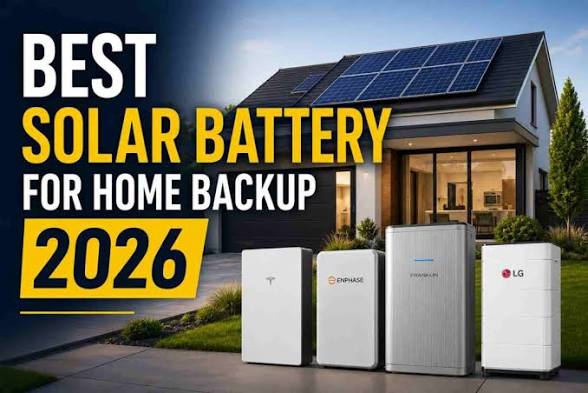
A solar quote used to be about panels. Now the battery is the line item homeowners argue over most, because it decides what keeps running when the grid goes dark and whether you can earn money from virtual power plant programs. Every system below uses lithium iron phosphate (LFP) chemistry, so chemistry isn't the differentiator anymore. Power output, warranty terms, how far a system expands and what it costs are what separate them.
Here's how ten of them compare, and who each one actually suits.
The ten, side by side
Prices are Icon Polls estimates for a starting configuration. Real quotes vary by installer, region and system size.
| Rank and battery | Capacity | Continuous power | Warranty | Est. starting price | Expands to |
|---|---|---|---|---|---|
| 1. Tesla Powerwall 3 | 13.5 kWh | 11.5 kW | 10 years | About $11,500 | 4 units |
| 2. FranklinWH aPower 2 | 13.6 kWh | 10 kW | 15 years | About $12,000 | 225 kWh |
| 3. Enphase IQ Battery 5P | 5 kWh per unit | 3.84 kW | 15 years | About $7,500 | Modular |
| 4. BYD Battery-Box Premium HVM | 8.3 to 22 kWh | 5 kW | 10 years | About $6,000 | 66 kWh |
| 5. Sonnen ecoLinx | 12 to 20 kWh | 8 kW | 15 years | About $15,000 | 20 kWh |
| 6. EG4 WallMount | 14.3 kWh | 7 kW | 10 years | About $3,200 | 16 units |
| 7. Sigenergy SigenStor | 9.6 kWh | 6 kW | 10 years | About $9,000 | Modular |
| 8. SolarEdge Home Battery | 9.7 kWh | 5 kW | 10 years | About $10,000 | 3 units |
| 9. EcoFlow Delta Pro Ultra | 6 kWh per unit | 7.2 kW | 5 years | About $5,800 | 90 kWh |
| 10. Fortress Power eVault | 18.5 kWh | 9.6 kW | 10 years | About $9,500 | 6 units |
The two that can carry a whole house
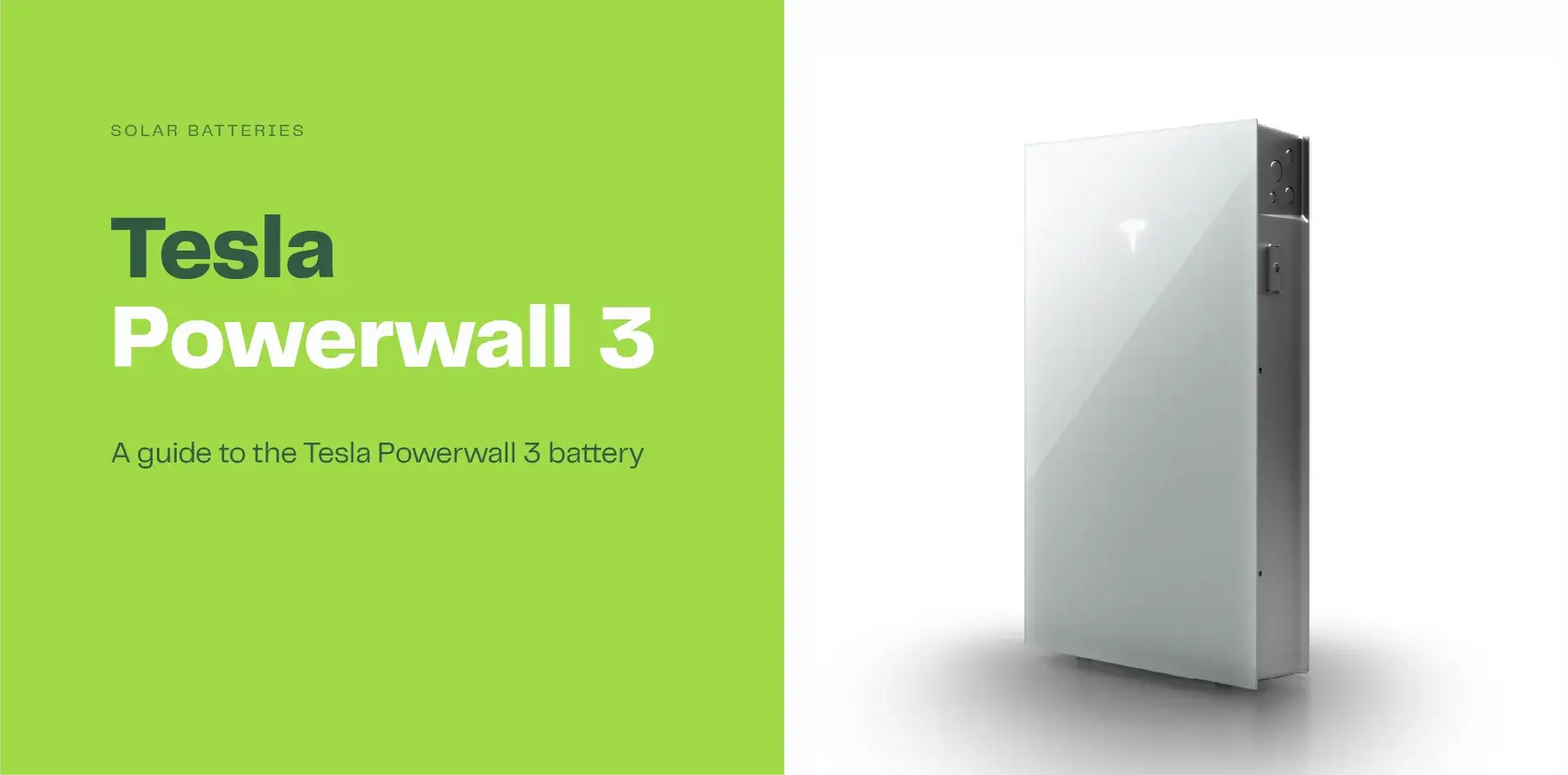
1. Tesla Powerwall 3. Its 13.5 kWh of capacity is ordinary. Its 11.5 kW of continuous output is not. Many rivals deliver 5 to 7 kW, which isn't enough to run central air, a well pump and the kitchen at the same time during an outage. The Powerwall 3 can. A built-in hybrid inverter saves you a separate box, Tesla claims 97.5 percent round-trip efficiency, and Storm Watch pre-charges the battery before severe weather. Four units stack to 54 kWh. The 10-year warranty guarantees 70 percent retention. Other batteries beat it on individual specs, but none matches it across the board.
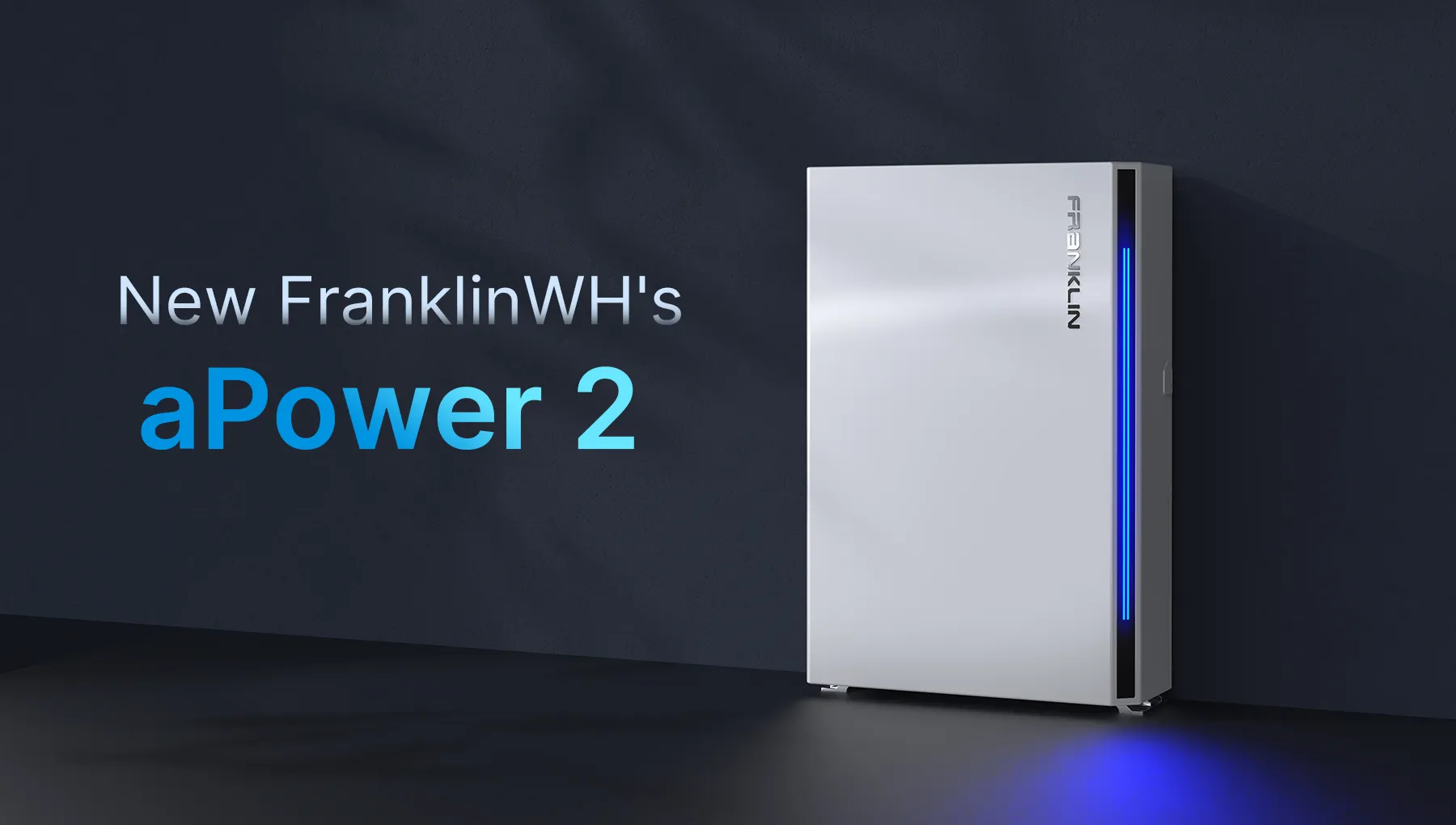
2. FranklinWH aPower 2. Installers often recommend this one when a client wants everything backed up, not just a few circuits. The aGate controller sits between the utility meter and the main 200-amp panel and can see and control every circuit. That removes the need for a critical loads sub-panel, which typically costs $500 to $1,500. The system is AC-coupled, so it retrofits onto almost any existing inverter. Add a 15-year warranty with a 60 MWh throughput guarantee and room to scale to 225 kWh, and it's the strongest pure whole-home pick here.
Already on the roof? Stay in the family
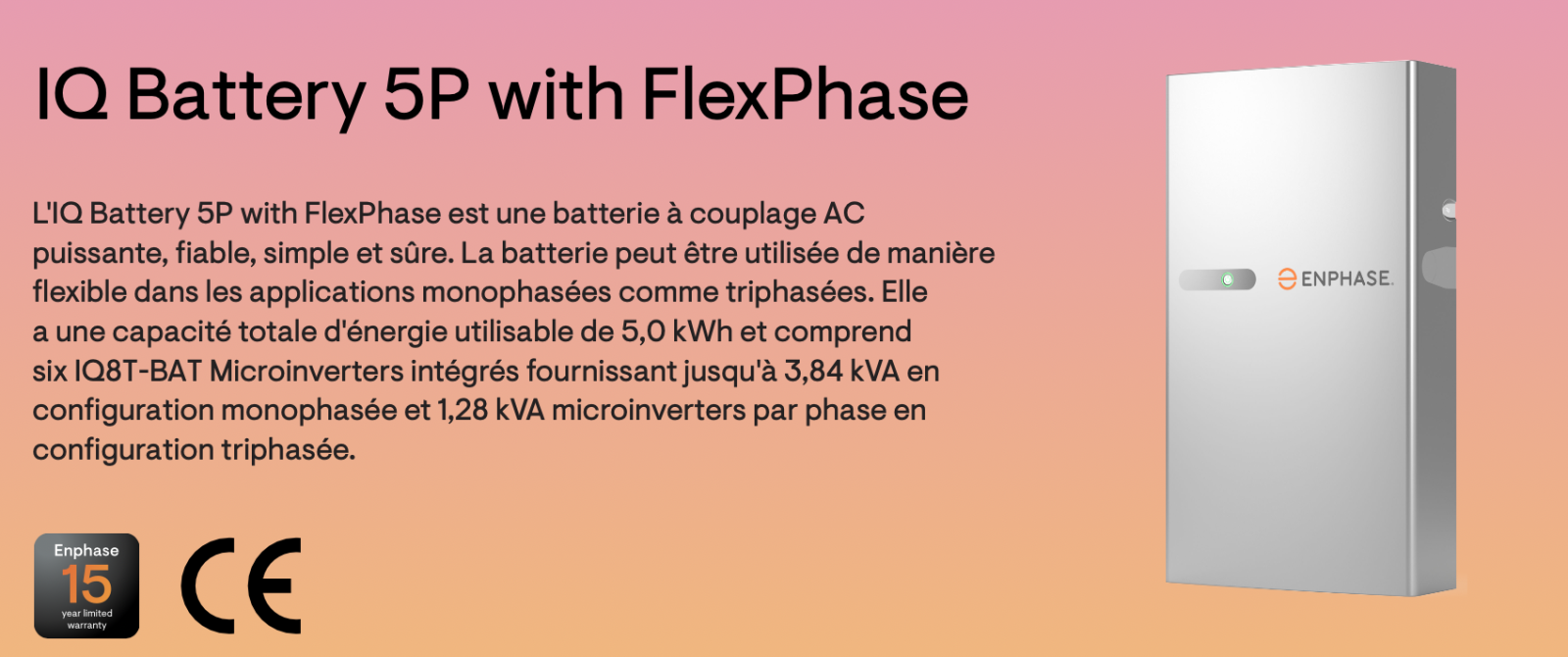
3. Enphase IQ Battery 5P. Each 5 kWh module carries its own microinverters, so if one fails, the rest keep working. That design appeals to the roughly one in five U.S. solar homes already running Enphase. The 15-year warranty matches the longest on this list, and 96 percent efficiency is solid. The catch is cost: a home needing 15 kWh or more ends up stacking three or four modules, and the bill adds up quickly.
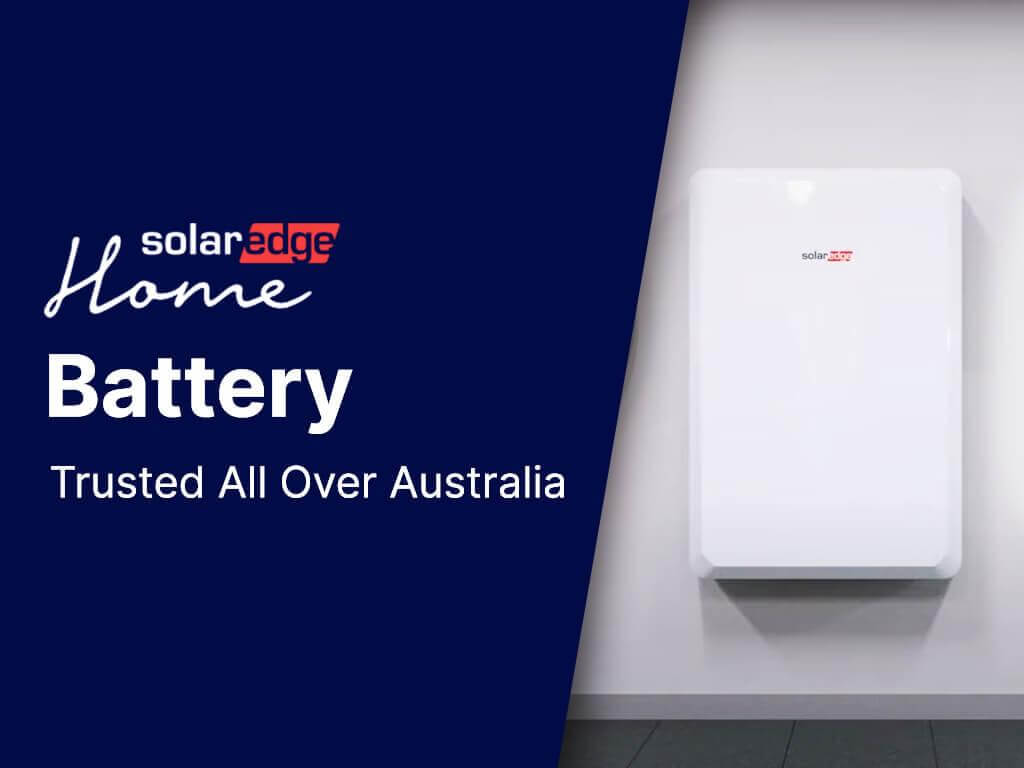
8. SolarEdge Home Battery. It's DC-coupled, which skips an extra conversion step and helps efficiency. If you already run SolarEdge optimizers and inverters, it's about as simple as an add-on gets, with monitoring through the mySolarEdge app and a 10-year warranty. If you don't, it isn't a practical choice. It ranks low only because it serves such a narrow group of buyers.
Where the value lives
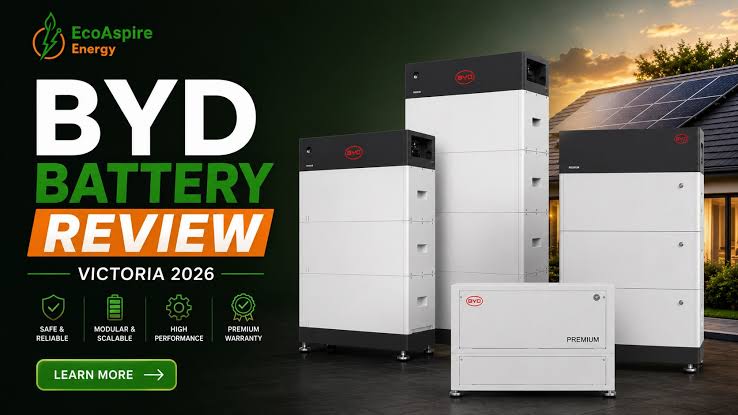
4. BYD Battery-Box Premium HVM. BYD is the world's largest maker of rechargeable batteries, and it shows in the price. Capacity builds in 2.76 kWh steps from 8.3 kWh up to 66.2 kWh, so installers can size the system closely to a household's actual use. It works with inverters from SMA, Fronius, GoodWe, Solis and others, and a 10,000-cycle warranty means heavy virtual power plant use shouldn't worry you. BYD already dominates in Australia and Europe. In the U.S., you'll want an installer who knows the system well.
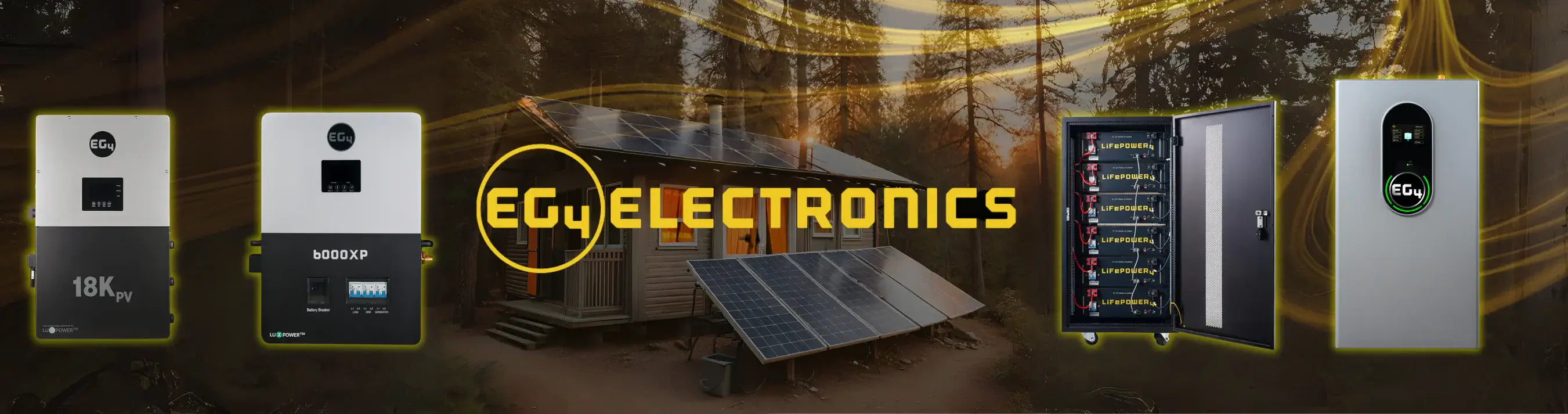
6. EG4 WallMount. This is the DIY community's favourite, and the cost per kilowatt-hour explains why. You get 14.3 kWh with 200-amp continuous discharge, and a newer 314Ah indoor model reaches 16 kWh. Up to 16 units run in parallel. Cycle ratings of 6,000 to 8,000 at 80 percent depth of discharge point to 15 to 20 years of service. The documentation and support forums from the Texas-based company are unusually thorough. Expect to do more of the work yourself.
Paying for polish
5. Sonnen ecoLinx. This is for buyers who see the battery as the brain of a smart home. It manages individual circuits, connects with home automation platforms and runs completely silently thanks to passive cooling. It also joins sonnen's virtual power plant network, which the company says can earn California participants up to $2,100 a year. The 15-year, 15,000-cycle warranty is excellent. On cost per kilowatt-hour alone, though, the premium price is hard to defend.
The outsiders
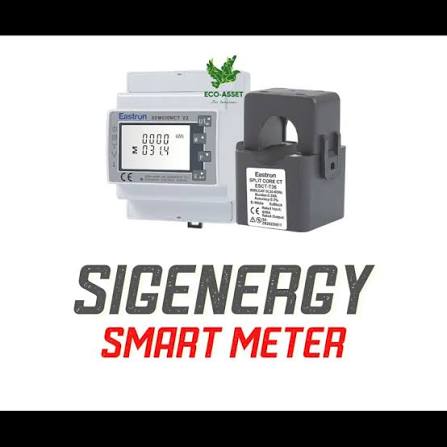
7. Sigenergy SigenStor. Founded in 2019 in Wuxi, China, Sigenergy is the only brand here offering true bidirectional EV charging. That can turn a compatible electric vehicle into a 60 to 100 kWh home battery. Pricing is competitive and early reviews are positive, but the company hasn't been around long enough to build much field data.
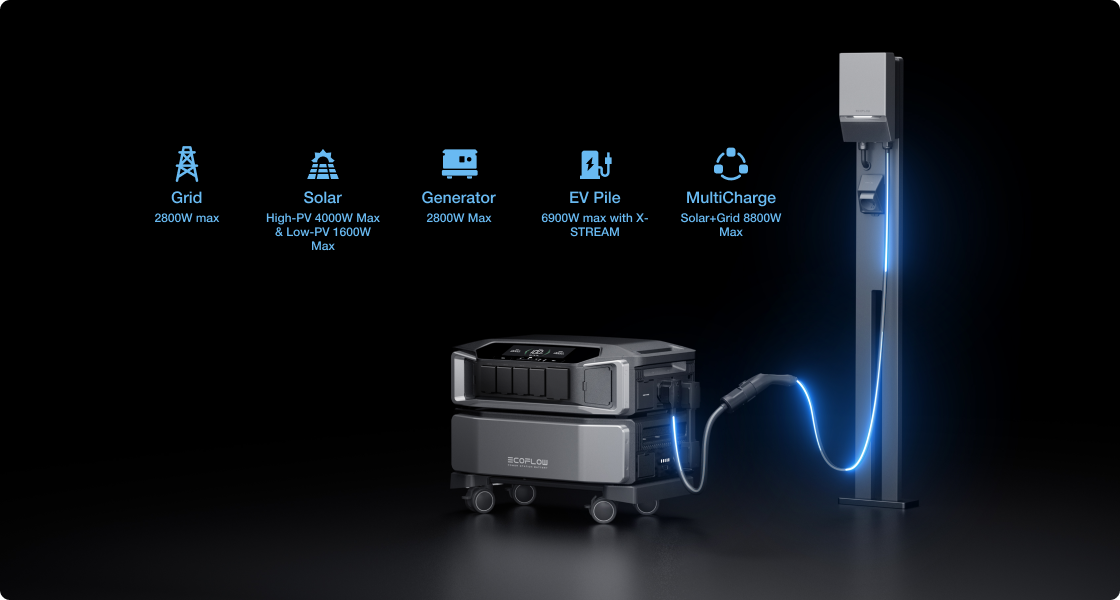
9. EcoFlow Delta Pro Ultra. EcoFlow started with portable power stations, and this system keeps that plug-and-play approach. Modules stack to 90 kWh, and some owners can set it up without an electrician. The weak point is the five-year warranty, half or less of what most rivals offer. It makes the most sense for renters or anyone who expects to move.

10. Fortress Power eVault. It holds 18.5 kWh in a single unit with 9.6 kW of output, and six units together exceed 100 kWh. Fortress sells through installers and supports them with pre-engineered designs. Few homeowners have heard of it, but it's widely trusted for off-grid and large residential builds.
Picking yours
If you want everything backed up, start with Tesla or FranklinWH. If your roof already runs Enphase or SolarEdge, stick with that brand. On a tight budget, BYD and EG4 give you the most storage for the money. For more guides and fan polls, browse the Icon Polls blog and cast your votes.
Which batteries have the longest warranties?
FranklinWH, Enphase and Sonnen each offer 15 years. Sonnen adds a 15,000-cycle guarantee, and BYD covers 10,000 cycles. EcoFlow's five years is the shortest here.
Can I install one myself?
EG4 and EcoFlow are the most DIY-friendly. Most of the others are designed to be fitted by professional installers.