An air conditioner sold for a mild climate and one that has to survive a Gulf summer are not really the same product, even when the box looks identical. Once afternoons sit above 45 degrees for weeks, or the humidity never lets up, cheap units short-cycle, lose capacity and run up bills. Inverter technology is the reason modern systems cope better. The compressor speeds up and slows down continuously instead of slamming on and off.
Every serious brand now sells inverters, though. So the useful question is no longer whether a unit has one. It is which manufacturers build for heat specifically, and which ones you can still get serviced in year eight. Here is our ranking, with the trade-offs left in.
The ten brands side by side
| # | Brand | Based in | Headline technology | Strongest fit | Top listed efficiency | Listed warranty |
|---|---|---|---|---|---|---|
| 1 | Daikin | Osaka, Japan | Swing inverter compressor, R-32 | Humid tropical and subtropical heat | Up to 28 SEER2 | 12 years compressor, 10 years parts |
| 2 | Mitsubishi Electric | Tokyo, Japan | H2i inverter, i-See Sensor | Desert heat, year-round cooling | Up to 28.4 SEER2 | 12 years compressor, 7 years parts |
| 3 | LG | Seoul, South Korea | DUAL Inverter, ThinQ | Smart homes in hot regions | Up to 25.5 SEER2 | 10 years compressor, 5 years parts |
| 4 | Samsung | Suwon, South Korea | AI Inverter, WindFree | Hot-arid climates up to 58°C | Up to 24 SEER2 | 10 years compressor, 5 years comprehensive |
| 5 | Carrier | Palm Beach Gardens, USA | Greenspeed Intelligence | Homes and businesses, coastal sites | Up to 26 SEER2 | 10 years limited parts |
| 6 | Panasonic | Kadoma, Japan | Econavi, nanoe X | Hot, humid coastal homes | Up to 23 SEER2 | 10 years compressor, 5 years parts |
| 7 | Fujitsu General | Kawasaki, Japan | AIRSTAGE inverter, human sensor | Steady all-round performance | Up to 24 SEER2 | 10 years compressor, 5 years parts |
| 8 | Gree | Zhuhai, China | G10 inverter, R-32 | Budget cooling in hot, dry regions | Up to 22 SEER2 | 7 years compressor, 5 years parts |
| 9 | Midea | Foshan, China | U-Shaped window design | Renters, window and portable use | Up to 22 SEER2 | 10 years compressor, 5 years parts |
| 10 | Trane | Davidson, USA | TruComfort variable speed | Durable central systems | Up to 22 SEER2 | 12 years compressor, 10 years parts (registered) |
Warranty terms and efficiency ratings vary by country, model and installer, so treat these as the best figures each brand lists, not what every unit carries.
1. Daikin: the default answer for sticky heat
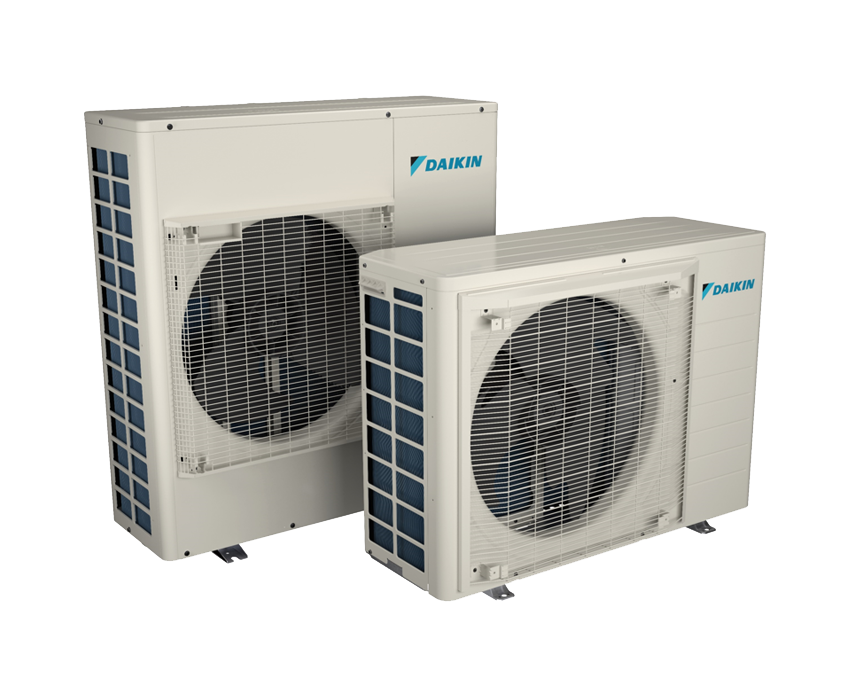
Daikin is the world's largest HVAC company by revenue, and it earned the top spot here on substance. It pushed R-32 refrigerant into mass production, cutting global warming potential by roughly two-thirds compared with R-410A. Its Swing compressor reduces internal friction so capacity holds as outdoor temperatures climb. In humid climates, the continuous modulation means long, quiet cycles that pull moisture out of the air instead of leaving rooms cold and clammy. The FIT side-discharge system is popular with installers across the American South and Gulf states for exactly that reason.
2. Mitsubishi Electric: for buyers counting in decades
Lifespans of 15 to 20 years show up regularly in Mitsubishi installations, and that is the whole pitch. Its best ductless configurations list up to 28.4 SEER2, the highest figure in this group. The i-See Sensor maps where people are in a room and aims airflow at them, which matters when you walk in from 48 degrees. It costs more. If you plan to stay in the house, it is probably worth it.
3. LG: quiet, connected, fairly priced

LG's DUAL Inverter uses two compression cylinders, which widens the efficient speed range and cuts vibration. In practice, it cools fast and then goes nearly silent. Its LW1022IVSM window model is listed at around 44 decibels. ThinQ links units to Alexa and Google Assistant for pre-cooling and energy tracking. For tech-minded households, LG offers the best balance of engineering and price on this list.
4. Samsung: built for the hottest afternoons
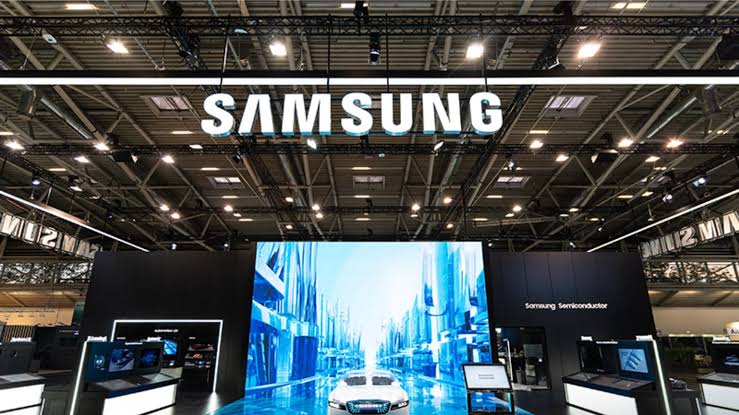
The AI features learn your habits and adjust compressor speed and setpoints. Useful, though not the main reason to buy. That reason is the rating: the 2026 Bespoke AI Inverter models are rated to cool at outdoor temperatures up to 58°C. In desert cities that regularly pass 50 degrees, that headroom is meaningful. WindFree cooling, which pushes air through thousands of micro-holes, also suits people who hate cold drafts.
5. Carrier: more than a famous name
Willis Carrier invented modern air conditioning in 1902, but heritage alone would not keep the brand in this ranking. Greenspeed Intelligence pairs a variable-speed compressor with an adaptive fan and a communicating thermostat that adjusts in half-degree steps. Infinity Series units reach 26 SEER2. Powder-coated steel cabinets resist salt-air corrosion, a real advantage on hot coastlines. The service network is huge, too.
6. Panasonic: for homes that stay shut all summer
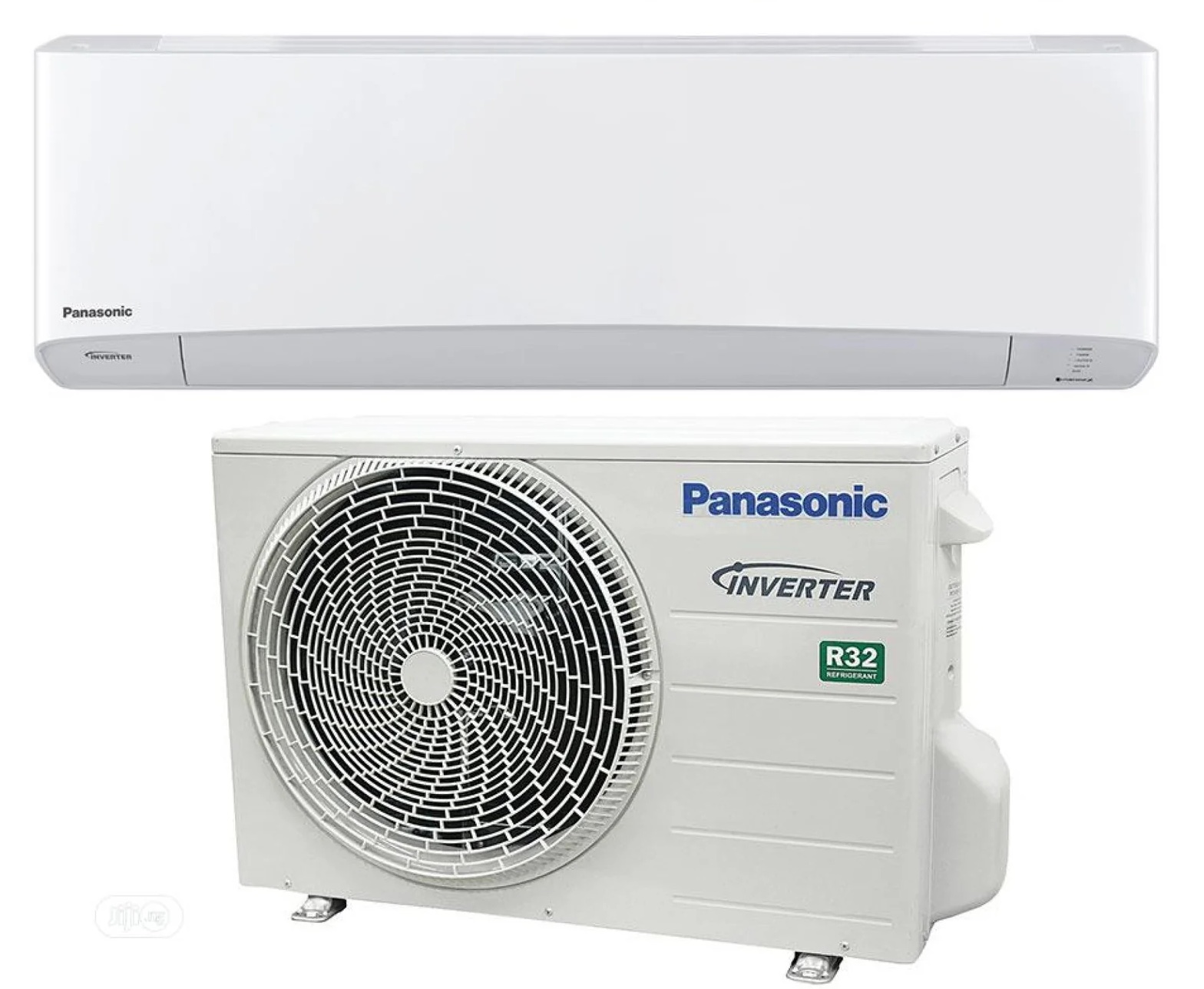
Econavi combines occupancy and sunlight sensors so the unit stops overcooling empty rooms. The more interesting feature in hot climates is nanoe X, which targets allergens, bacteria and odours. Those matter when windows stay sealed for months. Strong airflow helps larger living spaces, and manufacturing across Malaysia, Thailand and China keeps Panasonic well supplied in hot markets.
7. Fujitsu General: the one installers rate
Fujitsu rarely wins spec-sheet battles, and it doesn't seem to try. Its AIRSTAGE inverters are built conservatively, and their strength is consistency: output stays stable as ambient heat rises rather than dropping off when you need it most. Its R-32 transition is well advanced. If you want reliability over gimmicks, it's an underrated pick.
8. Gree: good value, thinner service
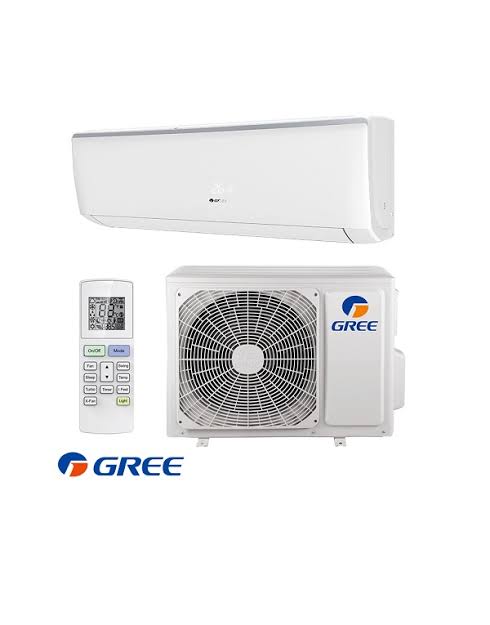
Gree is the world's largest residential AC maker by unit volume. Its G10 inverter range can undercut established rivals by 20 to 40 percent. Its units are on R-32, certified above 50°C, and backed by real research spending, including compressor component work with Daikin. The weakness is after-sales service outside China, along with weaker smart-home features. Check who services Gree near you before buying.
9. Midea: the renter's answer
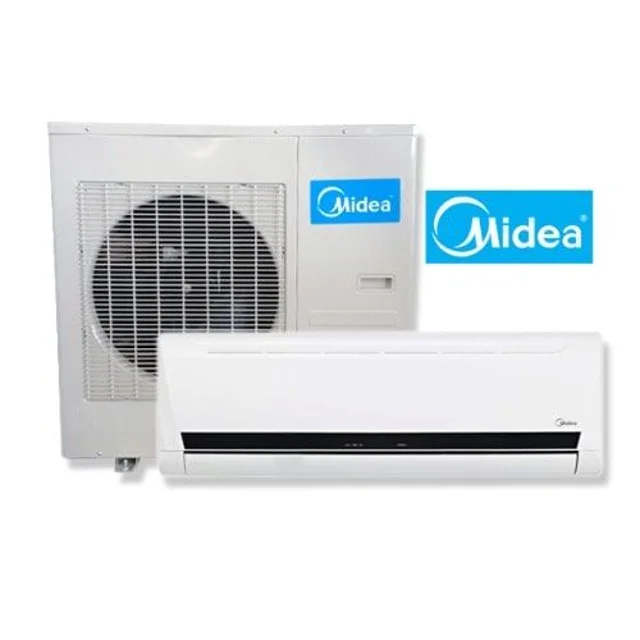
The U-Shaped window unit is one of the smartest ideas in consumer cooling in years. The window closes into the gap in the unit, which cuts noise, seals better and keeps your blinds usable. Midea, which also owns Toshiba's former consumer appliance business, sells split, portable and central systems too. For anyone who can't install a permanent system, though, the window range is the reason to look.
10. Trane: unexciting, in a good way

Trane has sold durability for decades, and its field record mostly backs that up. TruComfort variable-speed compressors keep temperatures steady. Heavy-gauge, rust-resistant cabinets stand up to harsh sun. A registered 12-year compressor warranty matches the longest here, and sister brand American Standard sells essentially the same equipment through more dealers. Not thrilling. Very dependable.
The part no brand can sell you
Installation quality is often the single biggest factor in how an AC performs. A top-rated Mitsubishi that is badly sized or poorly charged will lose to a well-fitted Gree. So choose the installer as carefully as the badge, and register the warranty on day one. Want more rankings to argue about? Browse the latest Icon Polls features and have your say.
Is a higher SEER2 rating always worth paying for?
Not always. The gains matter most where the unit runs hard for many months a year. In a short, mild summer, the extra cost may take a long time to pay back.
Which brand suits extreme desert heat best?
Samsung's 58°C rating and Mitsubishi Electric's long service lives stand out, with Daikin a strong all-rounder. Local service support should decide close calls.