Every transcription company quotes an accuracy figure somewhere between 95 and 99 percent. Those numbers aren't lies, exactly. They come from clean, single speaker audio recorded in a quiet room, and that is not where most interviews happen.
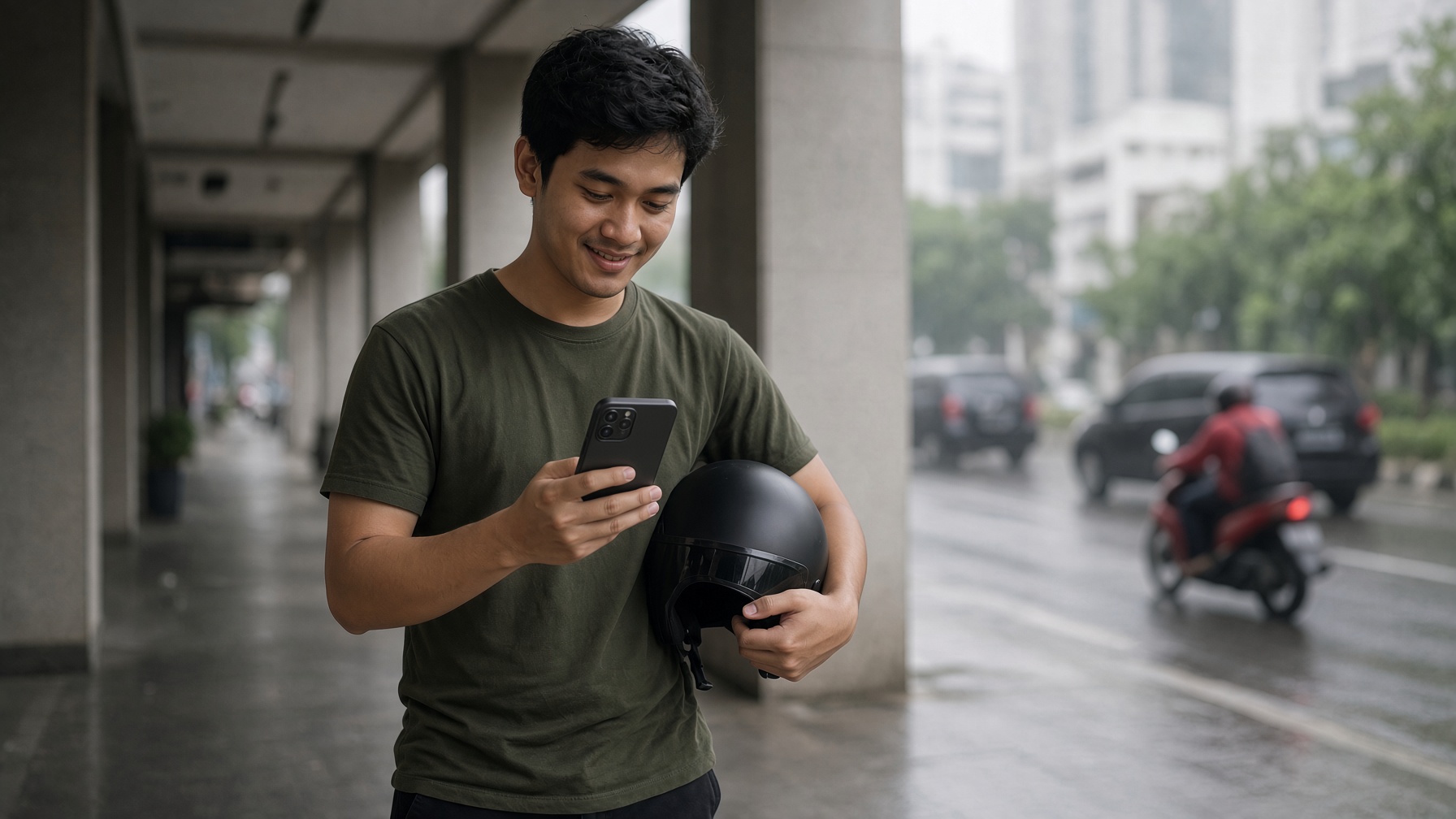
Move the conversation to a busy café, a windy street corner or a crackly phone line and the picture changes fast. Independent 2026 benchmarks put word error rates at 12 to 25 percent in ordinary meetings with crosstalk, and above 40 percent on degraded phone calls. One real world evaluation found the average AI platform managed just 62 percent accuracy on typical business audio with background noise and several speakers.
So the useful question isn't which tool is most accurate. It's which one falls apart least when the recording is bad. Based on published head to head tests and each platform's stated features, this is how we rank the ten that hold up best.
The Ranking in One Table
| Rank | Tool | Starting price | Best for |
|---|---|---|---|
| 1 | Sonix | $10 per audio hour | The noisiest recordings |
| 2 | Descript | $24 per month | Audio and video producers |
| 3 | Rev (human) | $1.50 to $1.99 per minute | High stakes interviews |
| 4 | Otter.ai | $8.33 per month | Live field interviews |
| 5 | Trint | $52 per month per seat | Newsroom teams |
| 6 | TurboScribe | $10 per month | Bulk transcription on a budget |
| 7 | Good Tape | Free tier available | Confidential sources |
| 8 | Happy Scribe | $17 per month | Multilingual interviews |
| 9 | Fireflies.ai | $10 per user per month | Call based interviews |
| 10 | AssemblyAI | $0.00249 per minute | Developers and custom pipelines |
Prices were listed at the time of the original publication and can change.
Sonix Wins Where the Audio Is Worst
Sonix posted the highest accuracy across several independent 2026 tests, and the gap widens as the audio gets harder. In a comparison by The Media Copilot, it beat rivals on a press gaggle recording full of background noise and people talking over each other. It covers more than 53 languages, holds SOC 2 Type II certification and offers HIPAA ready workflows. Pricing starts at $10 per audio hour, or $5 per hour plus a subscription on Premium.
Descript Cleans First, Transcribes Second
Descript's trick is Studio Sound, an AI cleanup that lifts a rough recording toward broadcast quality before transcription begins. Better input, better transcript. You also edit audio and video by editing text, and filler words vanish in one click. Plans start at $24 a month with 30 hours included. It suits podcasters and video reporters far more than text only journalists.
Rev's Human Transcribers, for When It Really Matters
Sometimes the best noise filter is a person. Rev's human service reaches 99 percent or better on audio where AI tools can drop to 70 to 80 percent, because people can fill gaps from context and work through heavy accents. At $1.50 to $1.99 a minute, an hour long interview costs $90 to $120. Too pricey for daily work, but the right fallback when a misquote carries legal risk.
Otter.ai Is the Pocket Option
Otter is the most widely used AI transcriber among working journalists, and its live transcription with noise suppression is genuinely handy in the field. Pro costs $8.33 a month billed annually, and the free tier gives 300 minutes monthly. It copes well with coffee shop chatter. Heavily compressed phone calls and chaotic press events are where it trails Sonix.
Trint Is Built for a Newsroom, Priced Like One
Trint's noise handling is solid rather than exceptional. Its real value comes after the transcript: highlighting quotes, tagging passages, building stories from sections and editing alongside colleagues in real time. At $52 per seat on Starter, rising to around $100 for Advanced, it's hard to justify for one freelancer. For a team sharing material, it makes sense.
TurboScribe Lets You Stop Counting Minutes

Running on OpenAI's Whisper engine, TurboScribe charges $10 a month for unlimited transcription. That removes the anxiety of feeding it hours of imperfect audio. It handles background noise reliably, supports dozens of languages and lets you set the expected number of speakers, which helps with crowded recordings. It won't match Sonix on the worst files, but the value is hard to argue with.
Good Tape Puts Privacy Ahead of Polish
Good Tape's servers sit in the EU under GDPR, recordings are deleted by default, and the company says it never trains AI on customer files. For a whistleblower interview, that matters as much as accuracy. Quality on noisy audio is decent, filler words are kept by default for verbatim work, and there's a free tier.
Happy Scribe Speaks More Languages Than Most
Plenty of tools tune mainly for English. Happy Scribe supports over 60 languages, adds translation and offers a human service for recordings the AI can't crack. AI plans start at $17 a month, and the subtitle tools are strong, which makes it a natural pick for international correspondents and video journalists.
Fireflies.ai Lives on the Call
Fireflies joins your video and phone calls, transcribes with noise reduction and pushes notes into tools like Salesforce, HubSpot, Slack and Notion. Independent testing gave it 87.2 percent accuracy on overlapping speech, the best consumer result in that category. Pro is $10 per user a month. It's weaker on uploaded field recordings.
AssemblyAI Is Plumbing, Not a Product
AssemblyAI is an API, not an app. Its Universal 2 engine competes with Deepgram Nova 3 and Whisper Large v3 on the Hugging Face Open ASR Leaderboard and degrades more gracefully than most as quality drops. At $0.00249 a minute, it suits media companies processing thousands of hours through their own pipeline.
Pick by the Recording, Not the Brochure
No single tool wins every situation. Bad street audio points to Sonix, a sensitive source to Good Tape, and a quote that could end up in court to a human at Rev. For more tech and culture rankings, browse the latest Icon Polls features and votes.