|
Profile Detail |
Information |
|---|---|
|
Brand Name |
Pendium (Pendium.ai) |
|
Founders |
Dan Greenberg and Rob Fan |
|
Founded / Launched |
Officially launched in 2026 |
|
Headquarters |
Beaverton, Oregon, United States |
|
Industry |
AI Marketing, Generative Engine Optimization (GEO) |
|
Category |
AEO / GEO Platform for AI Agent Visibility |
|
Core Product |
AI agent visibility monitoring, content engineering, and recommendation tracking platform |
|
Pricing Model |
Free to start with 250,000 credits, then seat based plans that scale with usage |
|
Target Users |
Startups, SaaS brands, marketers, and businesses wanting AI search visibility |
|
Investors |
Orange DAO, Patron, and Samsung NEXT Ventures (Pre Seed) |
|
Website |
pendium.ai |
|
ICON POLLS Rating |
3.0 / 5.0 |
Pendium and AI: How the Platform Actually Works
The first thing we wanted to understand was the AI engine behind Pendium. The platform is built on what the founders call continuous AI visibility monitoring. In plain English, Pendium runs thousands of automated queries across the major large language models and tracks whether your brand gets mentioned, recommended, or completely ignored.
During our test, we entered a sample brand URL and Pendium kicked off parallel scans across ChatGPT, Claude, Gemini, and Google AI Overviews. Within a few minutes, we got back a dashboard showing visibility scores broken down by topic, customer persona, and platform. That persona based slicing is genuinely useful because, as we have seen ourselves, an AI gives different answers when a price conscious shopper asks compared to when an enterprise buyer asks.
The AI part of Pendium is not just monitoring though. The platform also does what it calls content engineering. Once it spots a visibility gap, it can generate guides, comparisons, and how to articles structured for AI comprehension, in your brand voice, and tied to your knowledge base. You can review and approve everything before it goes live, which is the kind of human in the loop control most teams will want.
What Works on the AI Side
Real time monitoring across multiple LLMs in one dashboard
Persona simulation that captures how different buyer types ask different questions
Visibility scoring is broken down by platform and topic, not just one vague number
Citation tracking shows you which sources the AI agents are pulling from
Where the AI Falls Short
LLMs are not deterministic, and the team behind Pendium openly admits this in their Product Hunt thread. That means your visibility score can shift between scans based on chat history, fanout queries, and other variables outside the platform's control. We saw this ourselves. A brand that scored well in one morning scan dropped slightly by the afternoon, with no content changes in between. Pendium handles this by charting trends over time rather than giving you one fixed number, but it does mean you should treat the scores as directional, not absolute.
Pendium Review: The Honest Verdict from
Our overall ICON POLLS rating for Pendium in 2026 sits at 3.0 out of 5.0. Here is how we arrived at that number.
Strengths We Noticed
Pendium is built by people who clearly understand the AI marketing problem. Co founders Dan Greenberg and Rob Fan spent fifteen years building Sharethrough before this, and that experience shows in how the product is structured. The dashboard is clean, the onboarding is fast, and the free starting credits, reportedly around 250,000, are generous enough for small teams to test the platform without pulling out a credit card on day one.
The platform also handles competitor benchmarking well. When you run a scan, you can see not just where your brand shows up but also which competitors get mentioned in your place. For founders who care about share of voice in AI conversations, this is one of the better implementations we have tried in the category.
Areas That Need Work
Now for the parts that pulled the rating down. First, the homepage demo is a little confusing. The example response shows a placeholder labeled Your Business Should Be Here, sitting at the top of an AI generated list. New visitors might wonder if that is an actual recommendation or just an ad slot. A clearer real world example would help.
Second, the how it works flow has six to ten steps depending on which page you read, which feels heavy for first time visitors trying to understand the product fast. Third, while the platform is technically agent native and aims to be autonomous, getting truly hands off results still requires a fair bit of setup, content review, and ongoing tuning. The dream of set it and forget it AI marketing is not quite there yet.
Lastly, the company is still very young. Pendium only launched in 2026, has a small team, and a limited public review history. Most of the feedback we found online is from founders trying out the beta or early version, not from long term users with twelve months of data. That is fine for early adopters, but cautious buyers should know they are stepping into something still in motion.
Pendium and AI Agents: A Closer Look
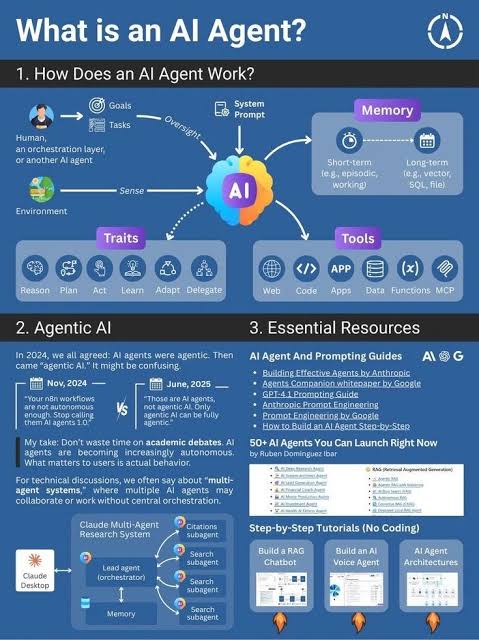
This is the part of Pendium that really stood out to us. Most marketing platforms still treat AI agents as a search engine. Pendium treats them as a separate audience that needs its own marketing strategy. The founders even said this directly in their Product Hunt launch, that marketers need to treat AI agents with more respect and care than most humans they market to.
Pendium plugs into AI agents in two main ways. The first is through its MCP server, which lets your own AI agent, whether that is Claude, Cursor, or another tool, pull on demand visibility data, competitor intelligence, and content guidance directly from Pendium. This is great for teams that already have AI workflows running and want to feed them with real visibility insights. The second method is the hosted Pendium platform, where the system writes content for you, runs it through human approval, and either pushes it to your CMS or hosts it on a dedicated agent feed at agents.yourdomain.com.
In our testing, the agent feed concept was the most clever piece. By hosting content in a structured, agent friendly format, you make it easier for LLMs to find, parse, and cite your brand when they answer questions about your category. Whether this becomes the new SEO or just a temporary advantage is something only time will tell, but the thinking is in the right place.
Pendium for Publishing: Does It Work for Content Teams?
Publishing is where Pendium has the most ground to cover. The platform can engineer and publish content, but it is not a full publishing suite in the traditional sense. You will not find a rich text editor with deep collaboration features, version history, or a Notion style workspace. Instead, Pendium produces content briefs and finished pieces aimed at filling specific visibility gaps, and then you push those to your existing CMS or to the agent feed.
For solo founders or small marketing teams who already have a CMS like Webflow, WordPress, or Ghost, this is fine. The Pendium output slots in cleanly. For larger publishing operations with editorial calendars, copy desks, and multiple stakeholders, you will probably still need your existing tools and treat Pendium as a strategic input rather than a replacement.
What We Liked About Publishing
Content is tied to specific AI visibility gaps, so every piece has a clear job
Brand voice preservation is built in, with knowledge base integration
Human in the loop approval prevents low quality content from going out
Output is structured for AI readability, not just keyword density
What Could Improve
There is no native long form editor, no built in image generation, and limited template variety. If you write thought leadership, original research, or branded storytelling, you will still want a real editorial workflow somewhere else. Pendium feels more like a smart content brief generator with publishing assistance than a true publishing platform.
Pendium Document Tools and Workflows
This is where we have to be honest. Pendium is not a document creation tool in the way Notion, Google Docs, or Microsoft Word are. The platform produces documents in the sense that it generates articles, comparisons, guides, and AI ready content. But you are not opening Pendium to draft a meeting note, write a contract, or build a knowledge base.
That said, Pendium does have document like outputs that matter for AI marketing. It can produce visibility audit reports, competitor intelligence briefs, and content recommendation files. These are well formatted and easy to share with stakeholders. We exported a sample audit and the layout was clean, with charts, scores, and clear next steps.
If your team is looking for a tool that combines AI visibility insights with a fully featured document workspace, Pendium will not be that single solution. You will likely pair it with your existing document tool of choice. But if you only need clear, decision ready reports about how your brand shows up in AI conversations, the documents Pendium produces do their job well.
User Experience: How Pendium Feels to Use
The user experience is one of the better parts of the product. The signup flow is straightforward, you enter a website URL, the platform runs your first scan, and within minutes you are looking at your visibility data. There is no long onboarding wizard, no forced tutorial, and no aggressive upsell flow blocking you from the dashboard.
Once inside, the navigation is grouped logically. You can flip between platforms like ChatGPT, Claude, and Gemini, drill into specific topics, or look at how visibility differs by persona. Charts are readable, color coding is consistent, and exporting data feels intuitive. The MCP integration with coding assistants is a nice power user feature, though it does require some technical setup.
UX Highs
Fast first scan with results inside a few minutes
Clean dashboard with sensible defaults
Multi platform comparison view that does not feel cluttered
Generous free tier credits to explore before paying
UX Lows
Some sections of the marketing site contradict the product story
The how it works flow is longer than it needs to be
Limited templates and customization for content engineering
Documentation could go deeper for non technical marketers
Overall, the UX feels like a thoughtful version one. There is room to grow, but the foundation is solid.
ICON POLLS Final Verdict on Pendium 2026
Pendium is one of the more interesting AI marketing platforms we have tried in 2026, but it is not yet the polished, must have product its homepage suggests. The idea is sharp, the founding team is experienced, and the product solves a real problem. AI agents are becoming a major channel, and most brands genuinely have no idea whether ChatGPT or Gemini is recommending them or their competitors.
That said, the platform is young, the LLM landscape is moving fast, and pricing past the free tier is still seat based and a bit opaque. For early adopters, marketing teams testing the GEO category, and founders who want to be ahead of the curve, Pendium is worth a serious look. For larger enterprises with strict procurement processes or teams that need a fully mature solution out of the box, you may want to revisit Pendium in another twelve months.
Our final ICON POLLS rating remains 3.0 out of 5.0. A solid score for a platform with real promise but visible room to grow.
Frequently Asked Questions About Pendium in 2026
1. What exactly is Pendium and what does it do?
Pendium is an AI marketing platform that helps businesses monitor and improve how AI agents like ChatGPT, Claude, Gemini, Perplexity, Grok, DeepSeek, and Google AI Overviews recommend their products and services. It tracks brand mentions, runs visibility scans, and helps engineer content that AI agents can pick up and cite when answering buyer questions.
2. Who founded Pendium and when did it launch?
Pendium was co founded by Dan Greenberg and Rob Fan, the same duo who previously built Sharethrough, a native ad exchange that grew to about 200 employees. The company is headquartered in Beaverton, Oregon, and officially launched in 2026 after a beta phase.
3. How much does Pendium cost in 2026?
Pendium is free to start, and new users get around 250,000 credits to run visibility scans and generate content. After that, the platform uses seat based plans that scale with how much your team uses it. Specific paid pricing tiers are not fully published on the public site, so you will need to talk to their team for a custom quote based on your size and needs.
4. Is Pendium the same as Pendo?
No, Pendium and Pendo are two completely different companies. Pendo is a product analytics and software experience platform used by SaaS companies to track in app behavior. Pendium is an AI agent visibility platform focused on how brands appear in AI generated answers. The names sound similar, but the products solve very different problems.
5. Which AI platforms does Pendium monitor?
Pendium currently monitors ChatGPT, Claude, Gemini, Grok, Perplexity, DeepSeek, and Google AI Overviews. The platform runs parallel queries across these large language models to give you a complete view of where your brand is showing up and where it is missing.
6. Does Pendium work for small businesses or only enterprises?
Pendium is designed to work for both. The free tier and self serve flow are friendly to startups, indie founders, and small marketing teams. At the same time, the MCP integration, persona simulation, and competitor tracking features can scale to meet the needs of larger marketing teams. The founders have publicly said they want a small business in Ohio to have the same shot at AI visibility as a Fortune 500 company.
7. Can I integrate Pendium with my existing tools and AI agents?
Yes. Pendium offers MCP and API integration, so you can plug Pendium data into AI agents like Claude or Cursor to give them on demand access to your visibility scans, competitor data, and content guidance. You can also push generated content to your own CMS, or host it on a dedicated agent feed at agents.yourdomain.com so AI agents can find and reference it easily.
8. How long does it take to see results from using Pendium?
This is the most asked question, and the honest answer is that it varies. Visibility scans are nearly instant. But improving how AI agents recommend your brand depends on how quickly the content gets indexed, how competitive your category is, and how often the LLMs refresh their training and retrieval data. Most users in the early Product Hunt threads were asking about this exact thing, and the founders confirmed there is no fixed timeline. Plan for ongoing optimization rather than a one off boost.
9. Is Pendium worth it for my brand right now?
It depends on how serious AI search is for your business. If a meaningful portion of your buyers are already asking ChatGPT or Gemini for recommendations in your category, then yes, Pendium is worth testing while it is still early. If your audience is mostly using traditional search and your category has not been disrupted by AI yet, you can probably wait six to twelve months and revisit it once the platform matures.
10. Is Pendium safe and trustworthy with my data?
Pendium is backed by reputable investors including Orange DAO, Patron, and Samsung NEXT Ventures, and is built by founders with a track record from Sharethrough. While the company is still small and early stage, there have been no major data or trust complaints reported as of our review. As with any new tool, we recommend reading their privacy policy carefully and starting with a non sensitive use case while you evaluate the platform.